
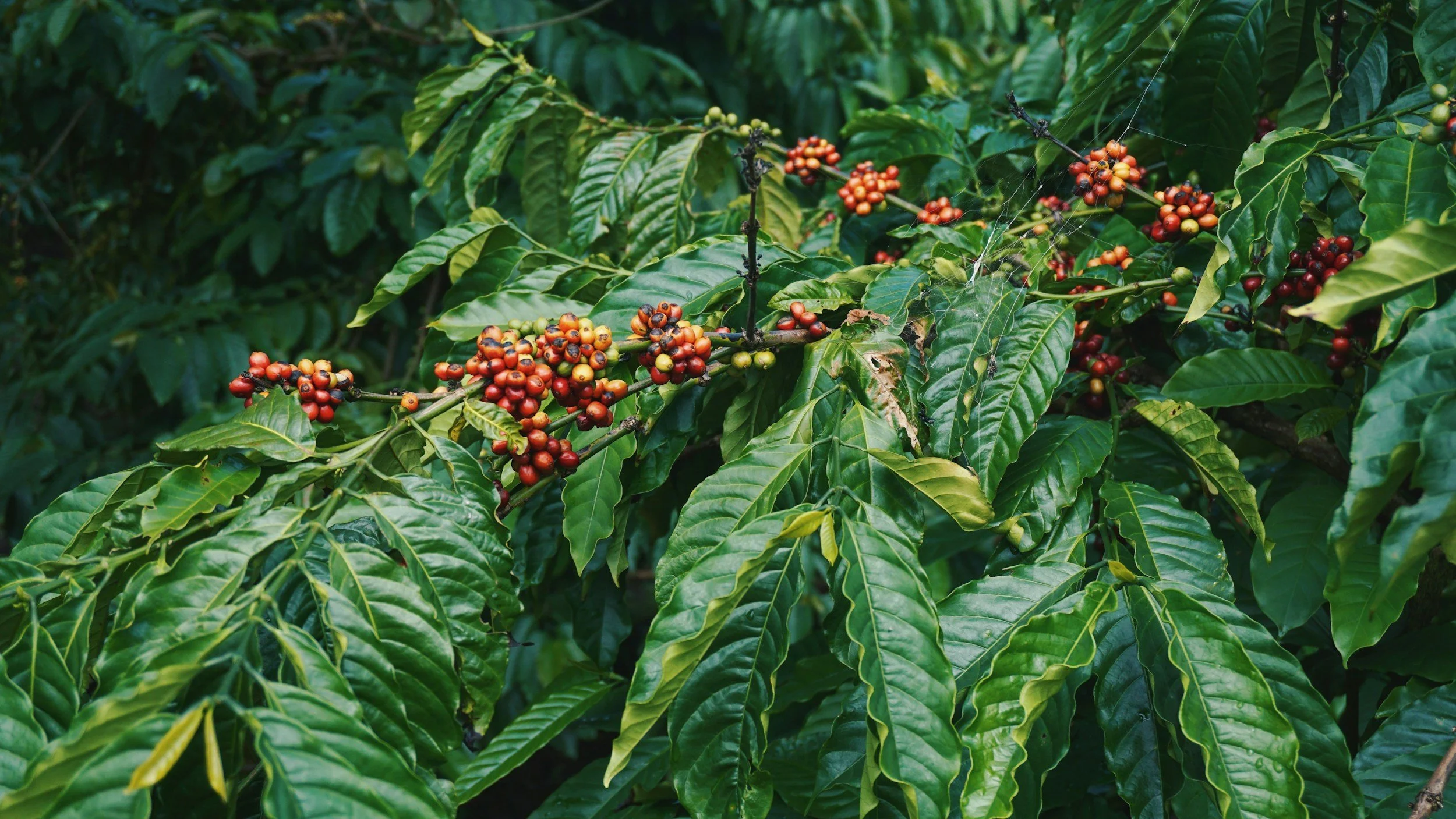
Meet your farmers
Fair treatment builds trust with farmers, and that trust shows up as consistency in quality. When relationships are direct, expectations are clear, and payments are timely, farmers can focus on their craft season after season, delivering coffee roasters can rely on with confidence.
Click on each farmer’s picture to learn about them and their estate, and to view their current offerings.

Kathendu Estate
Festus Kathendu

Mumu Estate
Zakayo Murauki M’Anampiu (“Mumu”)

Rhino Farms
Jacob Kibiri
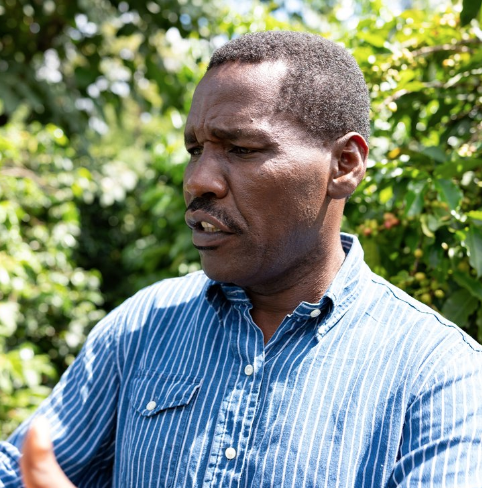
Thangatha Estate
Peter Munya
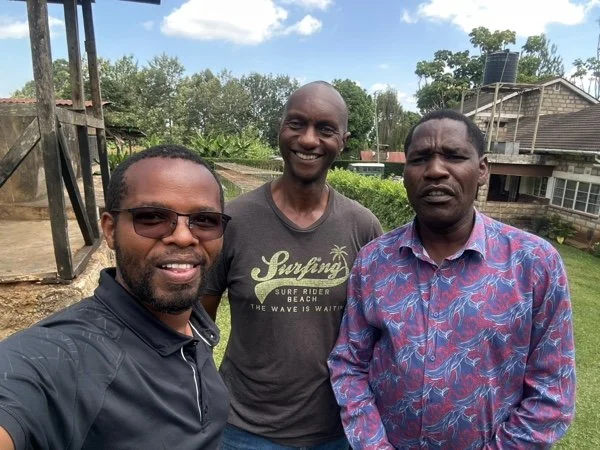
Deman Estate
Mutai Kinywa

Mbandi Farm
Thomas Masila Mutunga
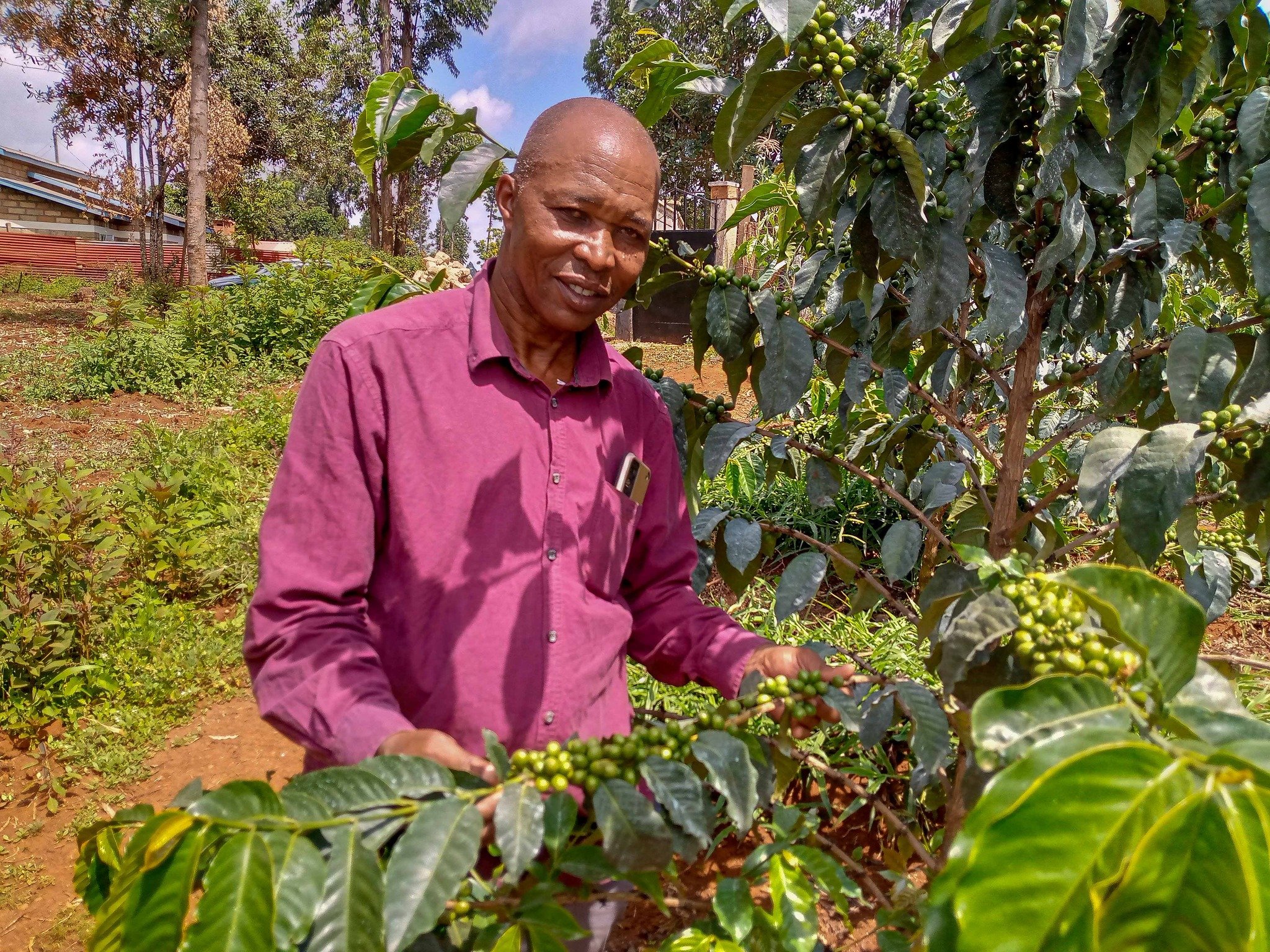
Mukarimu Estate
Charles Mutwiri Rintaugu
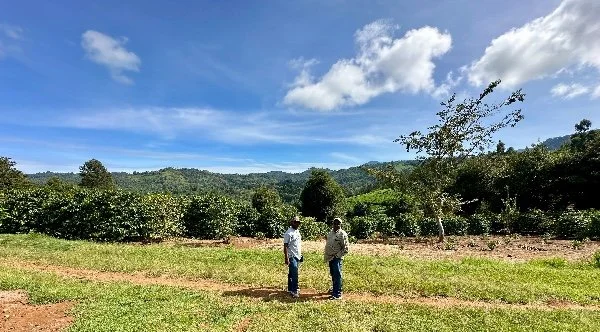
Nkumari Estate
Naman Meme
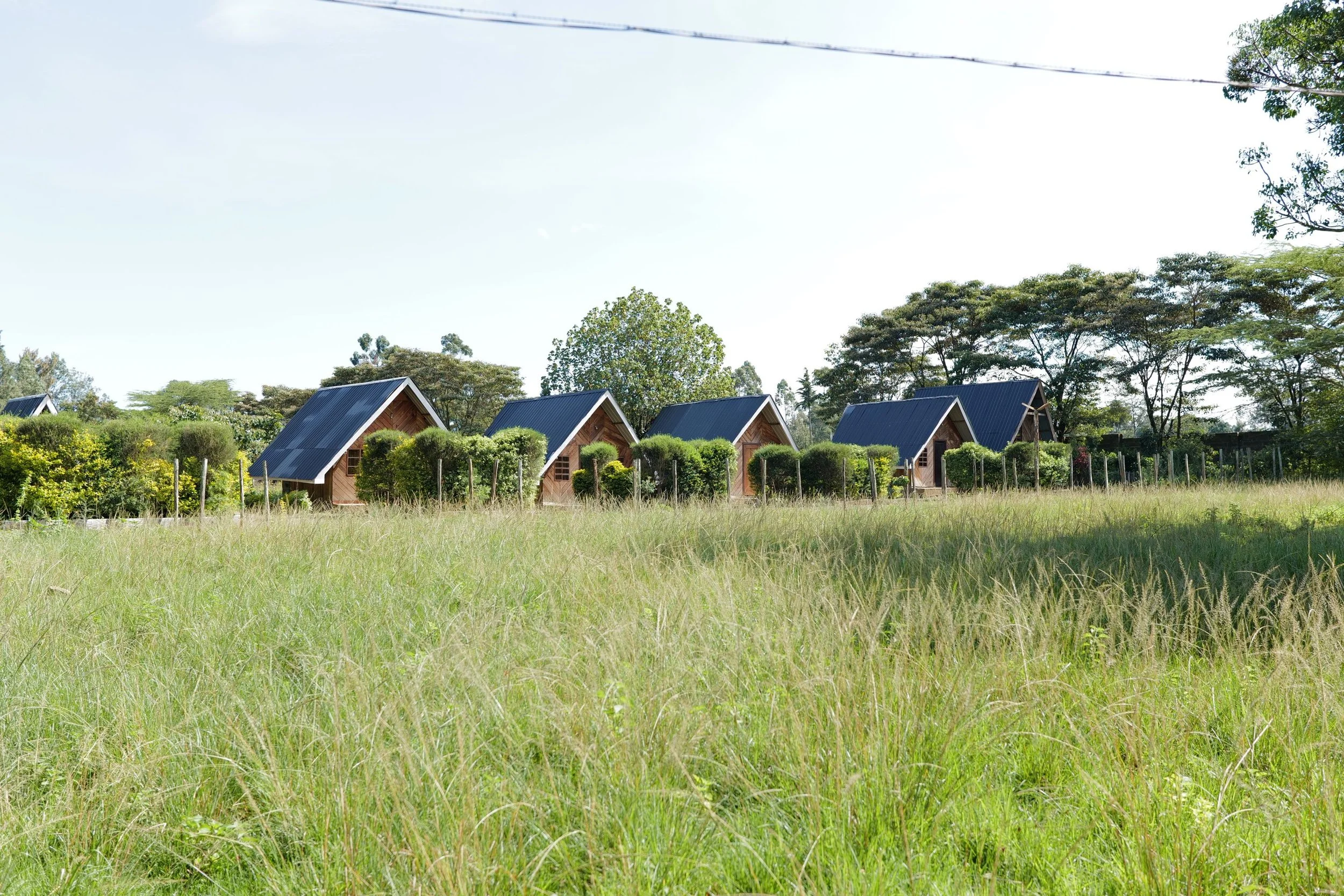
Want to visit us in Kenya?
These relationships are real, and they’re meant to be shared. We welcome roasters and partners who want to meet the farmers they buy from, see the work firsthand, and spend time together beyond the coffee itself. If you’re planning to be in the area, let us know—we’re happy to arrange a visit, a conversation, or even a stay on one of our farms.
Kathendu Estate — Festus Kathendu
Origin: Meru County
Elevation: 1500 masl
Variety: SL28, K7
Process: Wet processed, double washed. Dried on raised beds. Extended gravimetric sorting with triple optical sorting.
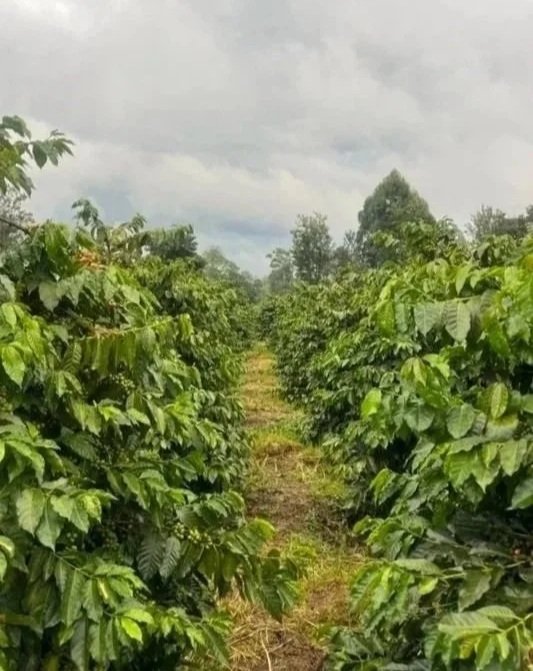
Festus Kathendu runs a disciplined estate known for clean, structured SL28 lots and thoughtful experimentation.
Festus manages his farm with quiet precision — from selective pruning to immaculate picking, pulping, and drying. Most of his trees are SL28, supported by a smaller block of K7. He is among the early producers in Meru to explore natural processing, testing how controlled drying can bring out berry-driven complexity without compromising clarity. His partnership with Undugu centers on transparency, processing discipline, and steady agronomy improvements.
Festus’ approach produces coffees with bright fruit structure, balanced acidity, and a consistent sweetness that reflects careful farm and processing decisions.
Current Crop

Mumu Estate — Zakayo “Mumu” Murauki M’Anampiu
Origin: Meru County
Elevation: 1000 masl
Variety: SL28, Ruiru 11
Process: Wet processed, double washed. Dried on raised beds. Extended gravimetric sorting with triple optical sorting.
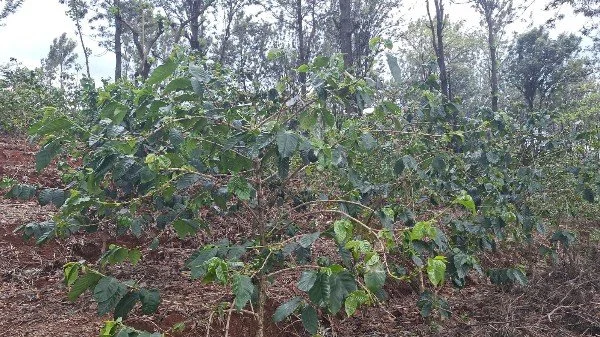
Mumu’s estate is a model of intentional, high-discipline farming where every tree and terrace has a purpose.
Mumu’s Ruiru 11 trees are grafted onto SL28 rootstock and planted on terraces that protect against erosion and stabilize yields. Mumu keeps his spacing, pruning, and soil care consistent across the estate — a level of intentionality that's rare but effective. He also shares his practices with neighboring farmers, often by demonstrating improvements directly on their land.
The combination of grafting, terracing, and precise pruning creates uniform cherries and dependable quality, producing balanced, structured coffees.
Current Crop
Rhino Farms — Jacob Kibiri
Origin: Nakuru County, Kenya
Elevation: 2000 masl
Variety: Batian
Process: Wet processed, double washed. Dried on raised beds. Extended gravimetric sorting with triple optical sorting.
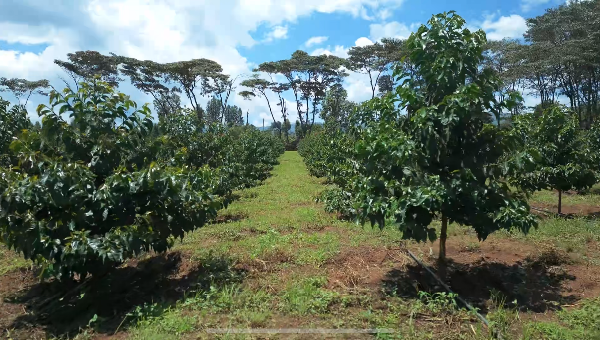
Jacob Kibiri brings a scientific mindset to farming, applying measurement and experimentation to produce reliable, high-quality Batian lots.
Trained in applied science, Jacob treats his farm like a field laboratory. He monitors soil health, yield patterns, and processing variables with rigor, adjusting practices based on data rather than intuition alone. His openness to testing new methods makes him a valuable thought partner for Undugu as we evaluate innovations across partner farms.
Jacob’s methodical approach brings consistency to Batian — a variety known for vigor but variable expression — resulting in clean cups with structure and clarity.
Current Crop
Thangatha Estate — Peter Munya
Origin: Meru County
Elevation: 1100 masl
Variety: Ruiru 11, Batian
Process: Wet processed, double washed. Dried on raised beds. Extended gravimetric sorting with triple optical sorting.
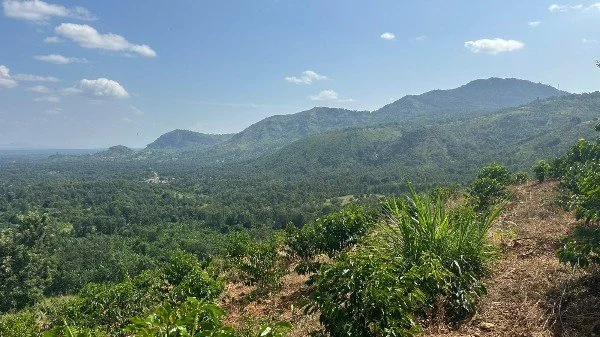
Thangatha Estate is an innovation hub where technology, sustainability, and careful processing come together on the slopes of Mt. Kenya.
Peter Munya’s estate hosts many of Undugu’s field trials — from IoT sensors that track fermentation and drying conditions to yeast strains matched to specific varieties and elevations. He also runs a closed-loop system: coffee waste is mulched and converted into biogas that powers his dairy and yogurt operations. It’s a working farm with a research backbone.
The estate’s Ruiru 11 and Batian lots benefit from this controlled environment, showing lively acidity, balanced sweetness, and the definition that comes from precise processing.
Current Crop
Deman Estate — Mutai Kinywa
Origin: Meru County
Elevation: 1600 masl
Variety: Ruiru 11, Batian
Process: Wet processed, double washed. Dried on raised beds. Extended gravimetric sorting with triple optical sorting.
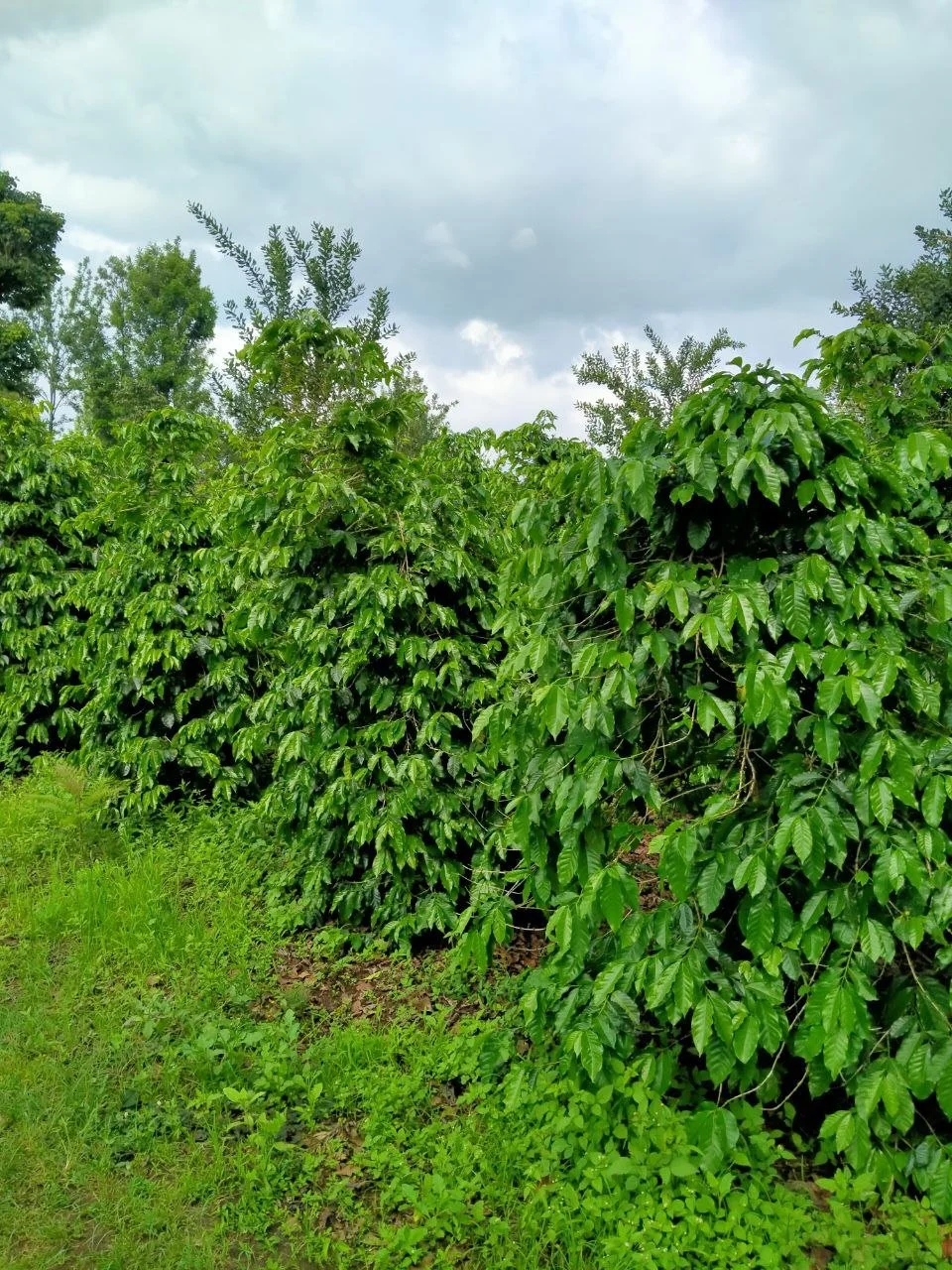
Mutai Kinywa farms with a low-intervention philosophy, relying on natural tisanes and oils to keep his trees healthy and resilient.
On Deman Estate, Mutai makes his own plant-based treatments — stored in sheds filled with barrels of natural tisanes and oils — which he applies throughout the season to strengthen his Ruiru 11 and Batian trees. He also processes a portion of his harvest as naturals, using a low-water method that’s uncommon in Kenya but valued for being environmentally efficient and widening coffee’s sensory potential.
Mutai’s naturals show berry-led aromatics and gentle wine-like acidity, while his washed lots offer a more classical Kenyan balance of clarity and sweetness.
Current Crop

Mbandi Farm — Thomas Masila Mutunga
Origin: Machakos County, Kenya
Elevation: 1580 masl
Variety: SL 28
Process: Wet processed, double washed. Dried on raised beds. Extended gravimetric sorting with triple optical sorting.
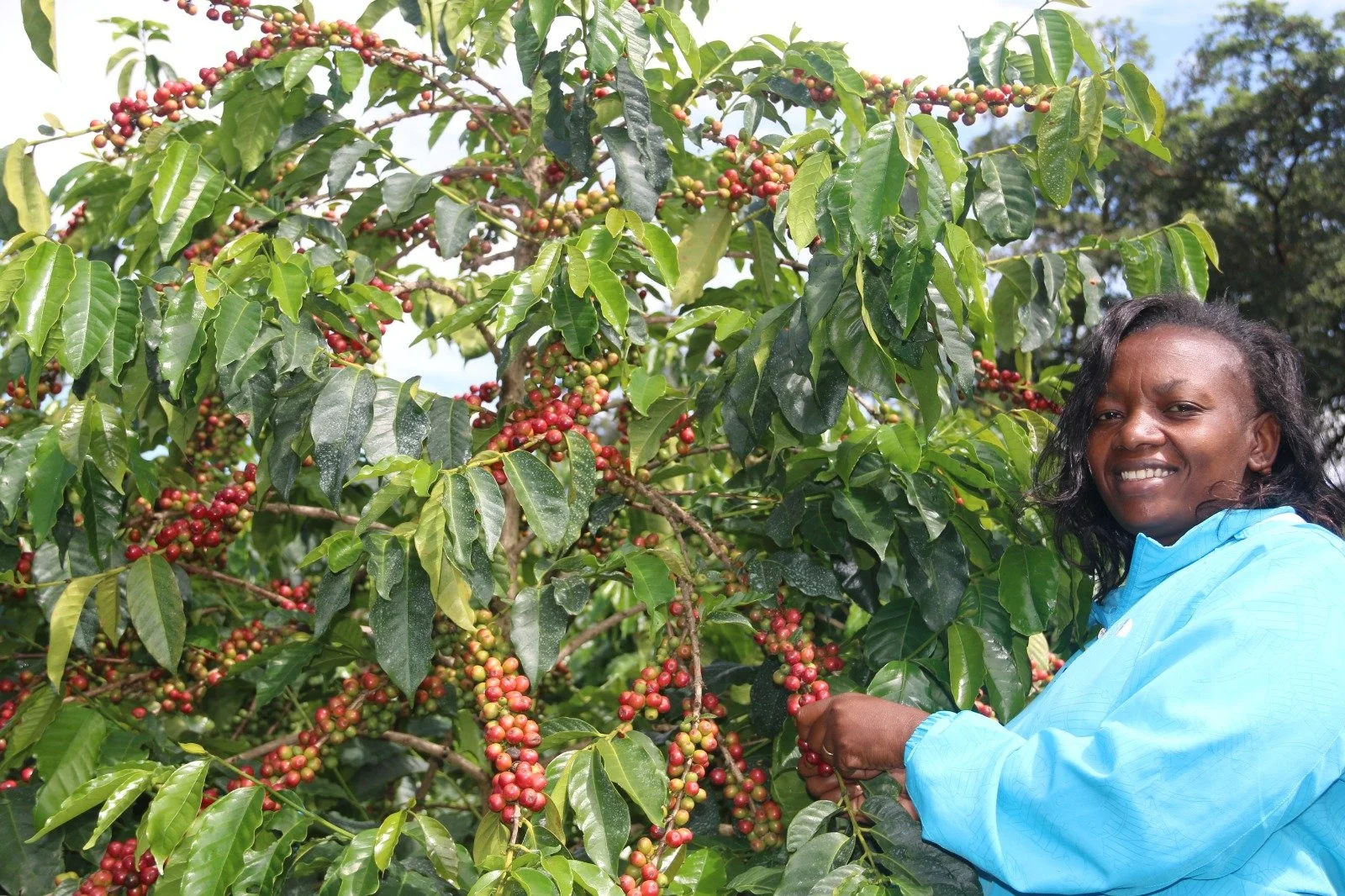
Mbandi Farm sits on the eastern slopes of Mt Kenya, producing SL28 lots that ripen slowly under dappled shade.
Though closer to Nairobi than Meru County, Thomas’ farm follows Meru’s countercyclical harvest pattern — with the main crop ripening in Q2 — due to its position on the eastern slopes of Mt. Kenya. His 15 acres of SL28 benefit from steady shade and cool nights, which extend ripening and increase bean density. Thomas focuses on selective picking and careful drying to preserve this natural advantage.
The slow maturation at nearly 1,600 masl produces SL28 with depth, brightness, and well-developed sweetness.
Current Crop
Mukarimu Estate — Charles “Mukarimu” Mutwiri Rintaugu
Origin: Meru County, Kenya
Elevation: 1580 masl
Variety: SL 28
Process: Wet processed, double washed. Dried on raised beds. Extended gravimetric sorting with triple optical sorting.
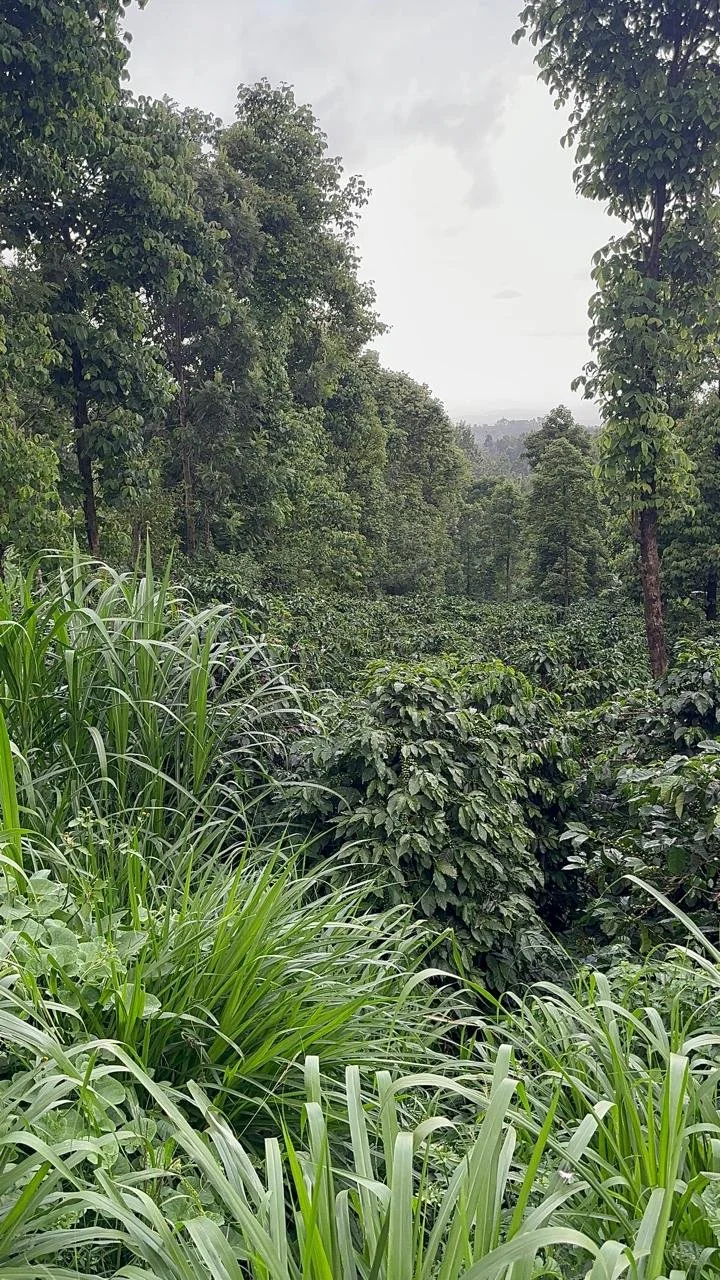
Mukarimu runs Mukarimu Estate as both a working farm and a teaching space for growers across Meru County.
"Mukarimu" blends the names of Charles’ forebears and, fittingly, also means "generous" in Swahili. Alongside his SL28 blocks, he maintains a nursery and active teaching facilities where he trains growers in pruning, soil care, and yield-improving agronomy. His estate functions as a practical classroom where farmers can see techniques applied in real time.
His SL28 lots are shaped by disciplined agronomy and consistent processing, producing cups with bright structure and classic Kenyan definition.
Current Crop
Nkumari Estate — Naman Meme
Origin: Meru County
Elevation: 1500 masl
Variety: SL 28, Ruiru 11
Process: Wet processed, double washed. Dried on raised beds. Extended gravimetric sorting with triple optical sorting.
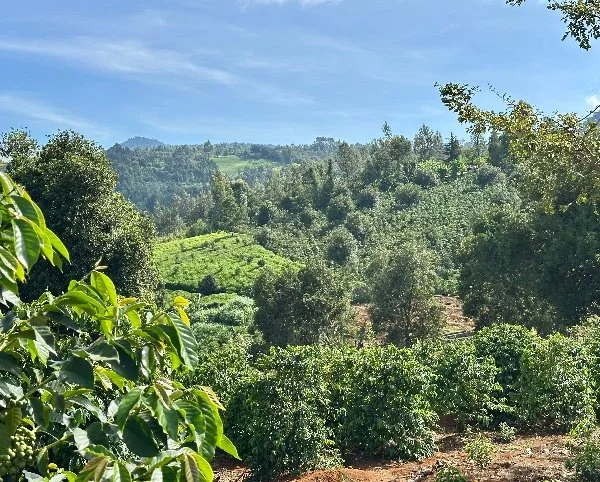
Naman Meme manages a well-ordered estate where SL28 and Ruiru 11 grow under macadamia shade for slower, denser maturation.
Naman intercrops macadamia trees for shade and secondary income, creating a microclimate that cools the coffee canopy and stabilizes moisture. His pruning and feeding schedules are consistent across the estate, and his approach to shade management is deliberate — enough to slow cherry maturation, but not so much that yields suffer.
The result is denser beans, layered sweetness, and a balanced cup shaped by thoughtful shade and canopy control.
Current Crop